What does it actually mean for Athletes?
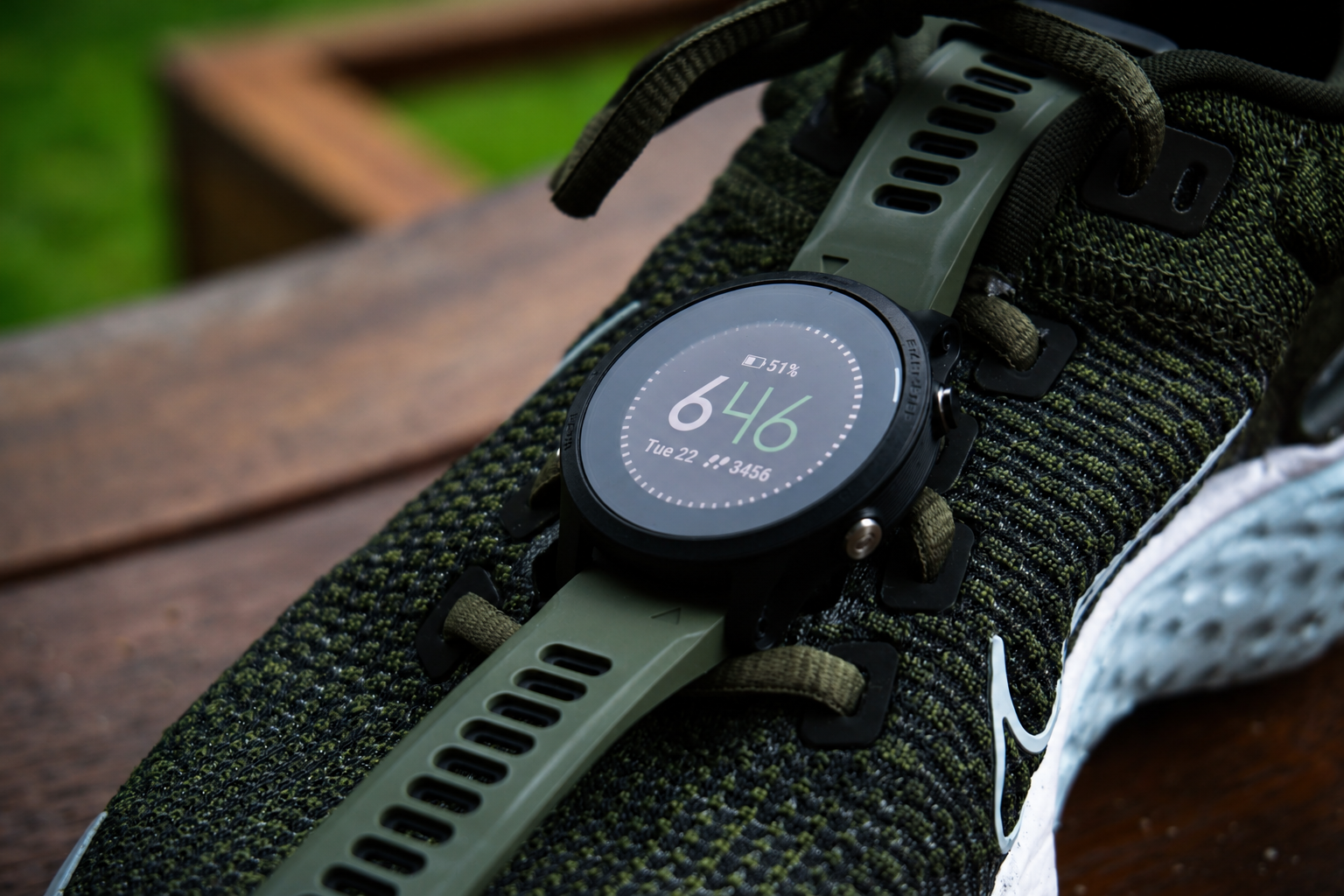
For many athletes, the morning routine starts before feet even hit the floor. You check your wrist, open an app, and look for your score. The combination of a high Heart Rate Variability (HRV) - tiny variations in timing between consecutive heartbeats - and a low resting heart rate mean you are in the green: supposedly primed, fully recovered, and cleared to push hard in training.
Over time, it is easy to let that morning score dictate your mindset, trusting the algorithm more than what your body is actually telling you. But what happens when that prime recovery score is masking a medical warning sign?
In athletes dealing with disordered eating, clinical eating disorders, or Relative Energy Deficiency in Sport (REDs), fitness trackers can provide dangerously misleading reassurance. To see why your watch, ring, or band might be steering you wrong, we have to look at how the technology works and where it can miss the mark.
What Wearables Measure
HRV is governed by your autonomic nervous system, which has two main branches: your sympathetic system (fight or flight) and your parasympathetic system (rest and digest). “Typical” HRV can vary significantly by individual - one person may consistently see values in the 100s, while another person’s norm might more typically have values in the 50s.
Fitness trackers operate on a simple assumption: when you are under stress, your sympathetic system takes over and your HRV drops. When you are resting, recovering, and repairing tissue, your parasympathetic system takes the lead and your HRV rises.
The catch is that these devices are programmed with the assumption that your body is adequately fueled. The algorithm assumes a high HRV means you slept well, managed life stress, and have strong cardiovascular conditioning. What it cannot measure is your energy availability. Your watch has no idea whether you ate enough food to support your baseline metabolic needs, let alone your training demands. In addition, various devices may have higher or lower sensitivity and/or accuracy.
The Physiology of Underfueling
When your training volume consistently outpaces your nutrition, intentional or not, your body does not see it as athletic dedication. It perceives famine and reacts accordingly.
To protect you and keep vital organs functioning, your system hits the brakes and drops into energy conservation mode. It dials down the sympathetic nervous system and forces a state of parasympathetic dominance to save every calorie it can. Your resting heart rate drops significantly, not because your heart has suddenly become an elite endurance engine, but because beating slower burns less fuel.
Because your heart rate is low and that forced rest-and-digest state is dominant, your wearable detects a high HRV. The app celebrates your peak condition and tells you to go all out. For an athlete who is underfueling, that green score can serve as inappropriate validation. It can mask the reality that their metabolism is actively slowing down to protect them.
Signs Your Body Disagrees With Your Screen
How do you tell whether a high HRV reflects fitness or energy deficiency? You have to step back and look at the whole picture.
If your watch says you are fully recovered, but you are battling persistent fatigue, feeling cold all the time, dealing with gut distress, or picking up frequent soft tissue or bone stress injuries, your body may be trying to communicate something the algorithm just isn’t calibrated to measure reliably. For female athletes, irregular or missing periods can be a major sign of low energy availability. For males, decreased libido can be a warning. Anyone may notice changes in ability to focus, motivation, or general energy levels.
Mental and emotional symptoms matter just as much. If you notice rigid rules around food, intense irritability, guilt for resting, or anxiety at the thought of taking your fitness tracker off, the data has stopped being a training tool and has become a trap.
The Case for a Data Fast
At AthleatMD, a foundational part of our work is helping athletes reconnect with their own internal signals. Treating REDs and eating disorders requires individualized sports nutrition and medical monitoring, but it also frequently starts with what we call a data fast: simply taking the watch off.
When you spend months or years outsourcing how you feel to an app, you lose intuitive touch with interoceptive awareness - your natural ability to recognize hunger, exhaustion, and physical strain. Relearning how to trust those internal cues takes time, especially since underfueling blunts those signals, which is why having an experienced care team to guide you is essential.
True recovery can’t always be clocked by a high HRV score on a digital dashboard. True recovery is restored metabolic health, reliable hormones, resilient bones, and mental flexibility.
The next time you wake up, try skipping the app. Change the question from "What is my score?" to "What does my body actually need today?"