“I Still Deserve to Be There”
Cassidy Arvidson on ARFID and Finding Her Place in Sport
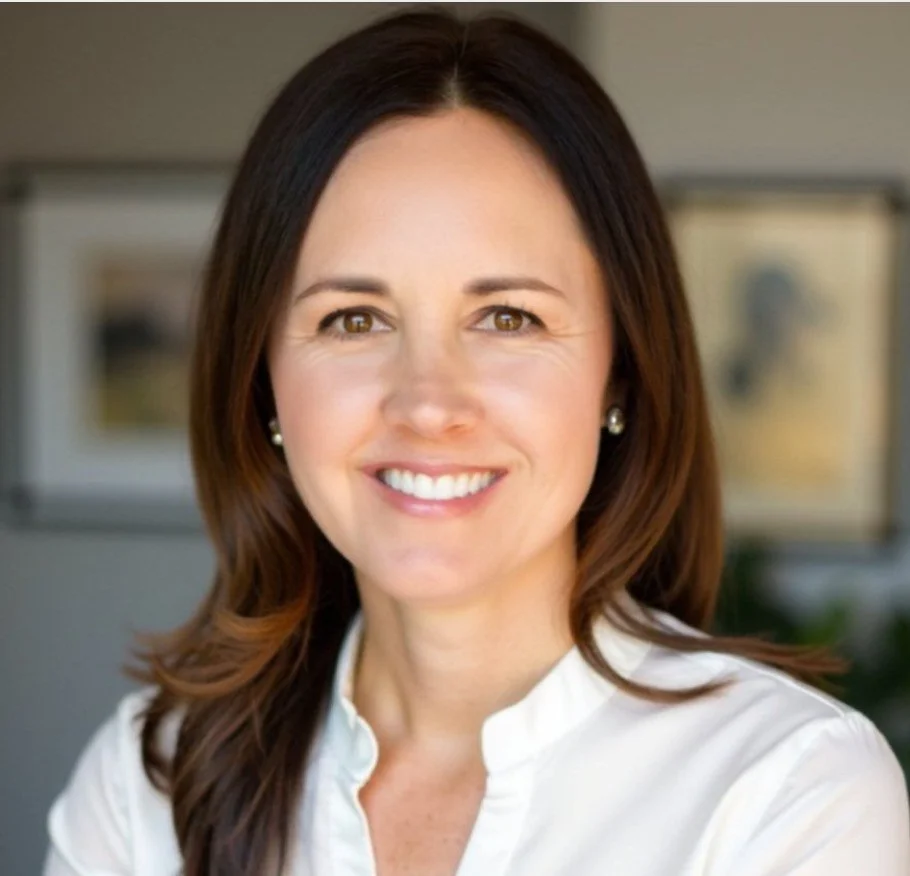
We’re excited to welcome Cassidy Arvidson to the AthleatMD blog! Cassidy is an ARFID advocate, athlete, and Founder of FindMyFork, an app designed to support people navigating ARFID in everyday life. In this interview, she shares her personal experience with ARFID, fueling for volleyball, and finding a more positive and sustainable relationship with her sport.
Cassidy Arvidson, ARFID advocate and Founder of FindMyFork
1. For those who may not be familiar with ARFID, can you share a little about your own experience with ARFID and what that journey has looked like for you?
I have had ARFID my whole life, I just did not know it had a name until I was in my mid-twenties. Growing up everyone just called me a picky eater, including doctors, and I spent a lot of years feeling like something was wrong with me that I should be able to just fix. ARFID is not picky eating though. It is a real neurological condition where certain foods cause genuine distress, and it affects basically every part of your life in ways people do not expect.
I actually found out what it was in 2022 from a YouTube video after hitting dead ends with terms like "Selective Eating Disorder" and "Neophobia." The video already had thousands of views, which honestly blew my mind, because I had spent my whole life thinking I was the only one. I checked myself into a treatment center in Denver, Colorado after that, and even though the program was not built specifically for ARFID and most of the other patients had never heard of it, it was still the closest I had ever come to feeling understood around food. But when I left, there was nothing waiting for me in real life. No tools, no resources built for how to actually live with ARFID day to day. That is when my social media presence was born and what later pushed me into four years of advocacy work, and eventually into building FindMyFork (more on that later).
2. You play volleyball. What has it been like navigating athletics while also managing the challenges of ARFID?
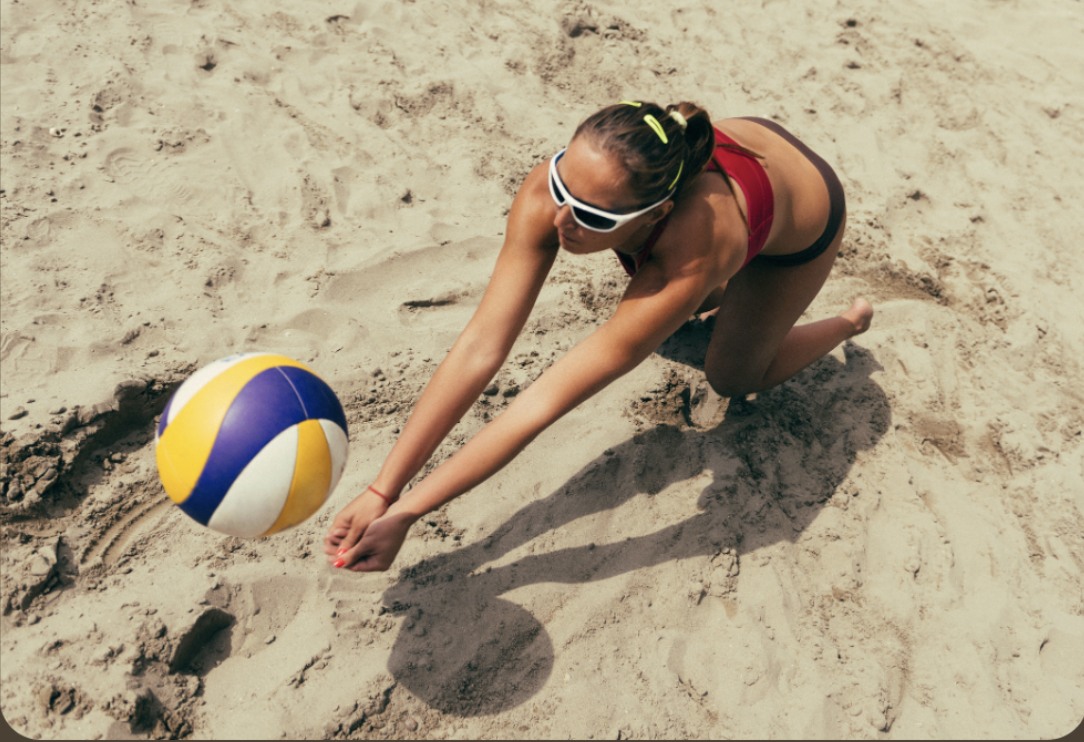
Honestly it started out really hard but was also really good at the same time. I have ADHD on top of ARFID, so meal prepping was something I had never really done before. I would bring quick carbs like snacks, but actual meals away from home? Not really my thing. But volleyball days could be six or more hours long and I learned fast that showing up on just a small carb-heavy breakfast was not going to cut it. I tried it a few times early on and I was completely depleted by the end of the day. Once I made that connection I could not ignore my body's need for more fuel, so I started actually packing meals, like I was back in elementary school, lunchbox and all. My goal was two proteins, usually cut up chicken or steak bites, and buttered noodles I would make the morning of. The challenge was keeping everything in a thermos for hours without the texture or temperature changing, because the sensory experience of food is something that really affects me with ARFID. But even on those days I still made myself eat it, and that was a win in itself. I even gained some muscle and put on a few pounds since joining volleyball, and I really believe it is because I was finally prioritizing protein in a way that was actually accessible to me.
3. What are some of the challenges that people with ARFID may experience when participating in sports or regular physical activity that others might not immediately recognize?
The meal prep thing is a big one that nobody really talks about. When you have ARFID your safe foods list is limited, and figuring out how to incorporate those foods into a specific routine can be tricky. It was especially hard for me because a lot of my safest and most nutrient dense foods need to be cooked and prepared in a kitchen, which is not ideal when you're on an outdoor sandy volleyball court with only a few minutes to refuel. Learning to pack those foods, keep them at the right temperature, and then actually eat them hours later when the texture might have changed is genuinely stressful. For a long time I avoided taking hot food to go entirely because food that has been sitting, even in a thermos, can feel too close to leftovers, and leftovers are something a lot of people with ARFID really struggle with. Finding that balance between freshness and practicality is something I still actively work through. And grabbing something fresh nearby is not always an option either, because safe restaurants and shops are specific to each person with ARFID and may not be local or convenient.
Then there is the social side. Team sports come with team snacks and post-game meals and group dinners, and you are sitting there quietly managing a condition that most people around you have never heard of. That background anxiety is exhausting on top of just playing the sport. And a lot of people with ARFID are also chronically under-fueled just because their safe food options are limited, which affects energy and performance in ways that are hard to explain to a coach or a teammate.
Then there is also the physical reality of performing in a body that has spent years, if not an entire life, undernourished. I burn through energy quickly and have always been underweight, which comes with its own set of challenges in athletic spaces. I have had comments made about my "noodle arms" and been underestimated as a teammate because of how I look, and those moments are genuinely hard to navigate. It is uncomfortable to be judged for something that is directly connected to a condition you are already working so hard to manage. Your body is doing its best with what it has been given, and sometimes that is not reflected in the way people perceive your strength or your ability.
4. How has ARFID affected your relationship with fueling, eating around other people, or making food choices when you're participating in activities or sports?
Eating around my teammates has not been too overwhelming for me personally, but that does not mean it comes without its challenges. When you whip out foods that most athletes actively try to avoid, people notice. I have received plenty of comments about what I am eating, and it can be hard to want to nourish your body in the ways you know how to when you know someone is going to question it. My safe foods do not look like a performance diet, but they are what my body can work with.
Beyond game days, my team often goes out for food after matches and I only recently started joining them. Every time we go somewhere new or somewhere I know I probably cannot eat, there is real anxiety around it. But I still go because even if I cannot eat, I still deserve to be there. That has been its own kind of growth. The hard part is navigating the comments about why I am not eating or the questions about my food choices, because explaining ARFID in a casual post-game setting is not always something I have the energy for. But I keep showing up anyway.
5. What has helped you feel more confident or comfortable participating in activities that you enjoy while managing ARFID?
Honestly, a big part of it has been learning to listen to my body and trust what it tells me. For most of my adult life I struggled with feeling like I was even allowed to participate in physical activity because I was already underweight and worried about losing more weight. That fear kept me on the sidelines in a lot of ways. Finding a balance between staying active and making sure I was fueling enough to support it took time, but seeing the positive effects has made it all feel worth it.
Since I started playing volleyball and prioritizing two proteins a day, I have gained some muscle, put on a little weight, started sleeping better, made new friends, and actually had fun doing it. Those things sound simple but for someone with ARFID they are not small wins, they are really big ones.
Letting go of the idea that I have to do it the way everyone else does has helped too. My relationship with food and my body is different, and trying to force it to look like everyone else's just adds stress that does not need to be there. I am doing it my way and it is working.
6. Why do you think it is important for the ARFID community to have more resources and information specifically addressing the experiences of active people and athletes?
Because everything out there about sports nutrition assumes you can eat anything. Protein shakes, bananas, meal plans, none of that is accessible if you have ARFID. And when none of the resources speak to your experience, it sends this message that being active just is not for you, or that you have to white knuckle it on your own. Active people with ARFID exist and they deserve information that actually meets them where they are. The ARFID community already feels invisible in most spaces. Sports and fitness should not be another one of them.
7. You've taken your own experiences and turned them into something that could help others through the development of your app FindMyFork. What inspired you to create it, and what do you hope it will provide for people with ARFID?
Everything I just talked about is basically why. Decades of navigating life with ARFID and realizing there was genuinely nothing built for us. I went to treatment, felt supported for the first time, and then when I left that support just disappeared because nothing existed to carry it into real life. I had been advocating for the ARFID community for over four years before the app idea came to me, and when it did I went straight to my community and asked what they actually needed. Over 800 people responded. That told me everything.
FindMyFork is built around one belief: Fed is best. This is not an app that tracks what you ate or makes you feel bad about your food choices. It is an app designed to make sure you ate anything at all.
For someone with ARFID, eating something is a win, because all food is nutritious. Full stop. I wanted to build something that actually reflected that, something that celebrates the small things, helps when your brain goes blank trying to figure out what to eat, and reminds you that just showing up for yourself is enough.
FindMyFork is currently in development and I could not be more excited to bring it to the people who need it. If you want to follow along on the journey, you can find me on social media at @findmyforkapp and @arfidawarenesss, or sign up on our website to be the first to know when it launches at findmyfork.com.