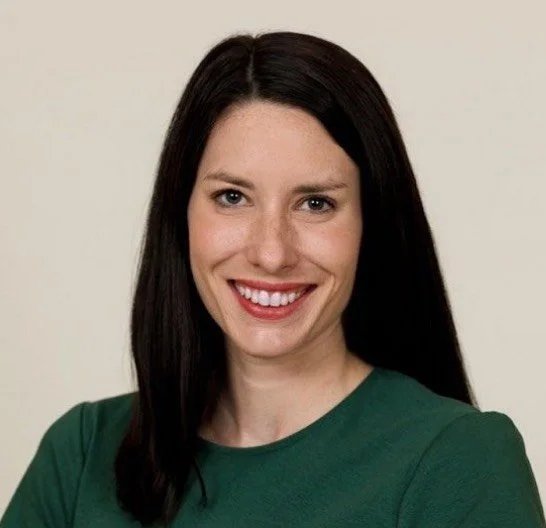
The future of weight-class sports, with two-time Olympian & sports dietitian, Jourdan Delacruz
Jourdan Delacruz is a 2X Olympian and represented Team USA in the sport of Weightlifting at the 2020 and 2024 Olympic Games. Jourdan holds a bachelor's in nutrition and dietetics from the University of Northern Colorado and is a sports nutritionist through the ISSN. She is pursuing her master's degree in sports nutrition at Texas Tech University to become a registered dietitian. Jourdan founded Herathlete, a brand committed to supporting women athletes through education and community.
How did your background as an athlete and 2x Olympian inspire your career goals?
Having grown up in sports culture, I’ve intimately experienced both the beautiful and ugly facets of being an athlete. On one hand, what a privilege it is to be driven by such passion and determination each day. To honor that curiosity of performance potential: just how far can I go?
On the other hand, I saw how easily the pursuit of excellence can blur into disordered behaviors, especially around food, body image, and performance. To experience pieces of that struggle as part of a weight-class sport feels entirely inevitable.
However, I can say proudly there is a way forward where athletes may find that balance between risk and reward. What made all the difference for me was having the right support system—dietitians, mental health professionals, coaches, and people who cared about me beyond my performance.
That “team behind the team” became my motivation. It inspired me to pursue higher education in nutritional sciences and dietetics, while also seeking specialized experience in eating disorders and Relative Energy Deficiency in Sport (REDs). My goal is to help athletes pursue excellence without falling into the harmful patterns that many others have experienced. I aspire to support athletes holistically, collaboratively, and through a lens of lived experience and relatability.
What is your philosophy on how to keep athletes healthy in weight-class sports?
Navigating weight-class sports is one of the most nuanced areas in sports nutrition, and I think it requires providers to be comfortable operating in the gray space. As someone who competed in the lowest weight class (49kg/108lbs) for a shot on the Olympic team (twice), I understand why athletes may feel that competing in a certain weight class gives them the best opportunity to achieve lofty goals– it did for me. Because of that lived experience, I approach these conversations with both empathy and caution.
My nutrition philosophy is deeply shaped by my experience as an athlete, though rooted in harm reduction and informed decision-making as a future healthcare provider. An athlete’s overall health must always come before performance goals, and if an athlete chooses to pursue a weight cut, they deserve a provider who advocates for both their physical and mental well-being. Without proper support, many athletes may turn to unsafe practices on their own, often creating more harm than good.
My role is not simply to help an athlete lose weight, make weigh-ins, and move on. My role is to ensure that any deficit is temporary, intentional, closely monitored, and followed by a return to adequate nourishment and optimal energy availability. Recovery and restoration are just as important as the weight cut itself, if not more.
I also believe athletes deserve full transparency. They should understand the risks, the potential long-term consequences, the alternatives available to them, and whether the strategy truly aligns with both their performance goals and personal values. I have sat in hotel rooms with my performance team, collectively making the decision to forego Olympic qualifying opportunities so that I can minimize how frequently I cut weight. Speaking from experience, those are hard conversations, and it’s even harder to watch your competitors go for your dreams while you choose to sit out.
Those conversations require collaboration between the athlete, dietitian, coach, and broader support team. Questions like: Does competing in this weight class multiple times per year support long-term success? or Does this approach align with the athlete’s values and quality of life? are essential considerations.
Looking back, is there anything you wish younger athletes understood earlier about nutrition or recovery?
I wish younger athletes understood earlier that both their body and eating patterns may look very different from those of their friends, family, and athlete role models — and that’s okay. As a young athlete, you’re fueling not only for performance potential but also for growth and development. Your body is going to change, especially during adolescence and early adulthood. Trying to restrict your intake to look like someone else often comes at the expense of your health, recovery, and long-term athletic development. Additionally, I also wish more athletes understood how long it truly takes to reach peak performance.
In a sport like Olympic weightlifting, many athletes don’t hit their prime until their mid-to-late 20s or even early 30s. Chasing short-term success through aggressive weight cuts at a young age will likely limit an athlete’s ability to fully grow into a strong, healthy senior-level competitor. It’s not a sprint, but a marathon; a true test of longevity. Those who can withstand the test of time both physically and mentally are those with the best shot at making it to the biggest stages.
As an athlete in early retirement, do you have any reflections to share with other athletes who might also be in (or soon to be in) a new chapter?
Retirement from sport is experienced differently by everyone. For some, it feels freeing; for others, it feels unfair — and for many, it’s a mix of conflicting emotions. What I know for certain is that all athletes deserve support throughout this transition. Your worth does not end when your career does. You still deserve care, compassion, nourishment, and support for both your mental and physical well-being, even if your relationship with movement, food, and performance looks different than it once did. The same drive and expectations that once pushed you toward greatness can make it difficult to know how to move forward afterward. Give yourself grace — this transition takes time.
What, if anything, would you like to see change for the next generation of athletes? I would love to see the culture of weight-class sports shift toward helping athletes compete in the weight class where they can truly thrive, rather than chasing the easiest and most tangible route. I often hear athletes say they want to perform their best and enjoy their sport, yet they are eating just enough to get by in training — or worse, starving themselves to fit into a smaller weight class. It raises an important question: how can we expect athletes to reach peak performance when they are not adequately nourished? These conversations can be uncomfortable, but they are necessary.
At the same time, I am optimistic about the future of strength sports. Women’s weightlifting has evolved tremendously since women were first allowed to compete in the Olympic Games in 2000. Today, we have powerful role models who openly advocate for strong, well-fueled bodies. Strong women are no longer simply “allowed” in these spaces — they are one of the sport’s greatest assets – encouraged to take up space, move without limitation, and nourish their strength.